
Why are some cryptos surging while general interest drops? Get clarity on GAS, Dash tech shifts and what fading retail engagement means for Web3.
—#CryptoNews #BlockchainTech #MarketAnalysis
—
Quick Video Breakdown: This Blog Article
This video clearly explains this blog article.
Even if you don’t have time to read the text, you can quickly grasp the key points through this video. Please check it out!
If you find this video helpful, please follow the YouTube channel “BlockChainBulletin,” which delivers daily Crypto news.
https://www.youtube.com/@BlockChainBulletins
Read this article in your native language (10+ supported) 👉
[Read in your language]
Understanding Today’s Crypto News: Focus on Technology and Market Shifts
Jon: Today’s crypto news highlights some interesting developments in blockchain technology and user interest. We’re seeing movements in specific tokens like GAS and Dash, alongside a drop in general search volumes for cryptocurrency. This matters because it shows how underlying tech, like consensus mechanisms and network utilities, can influence adoption and regulatory discussions in the broader digital infrastructure.
Lila: That sounds relevant for anyone trying to grasp Web3 without getting lost in the noise. Can you break it down story by story, explaining the tech simply and what it means for everyday users or developers?
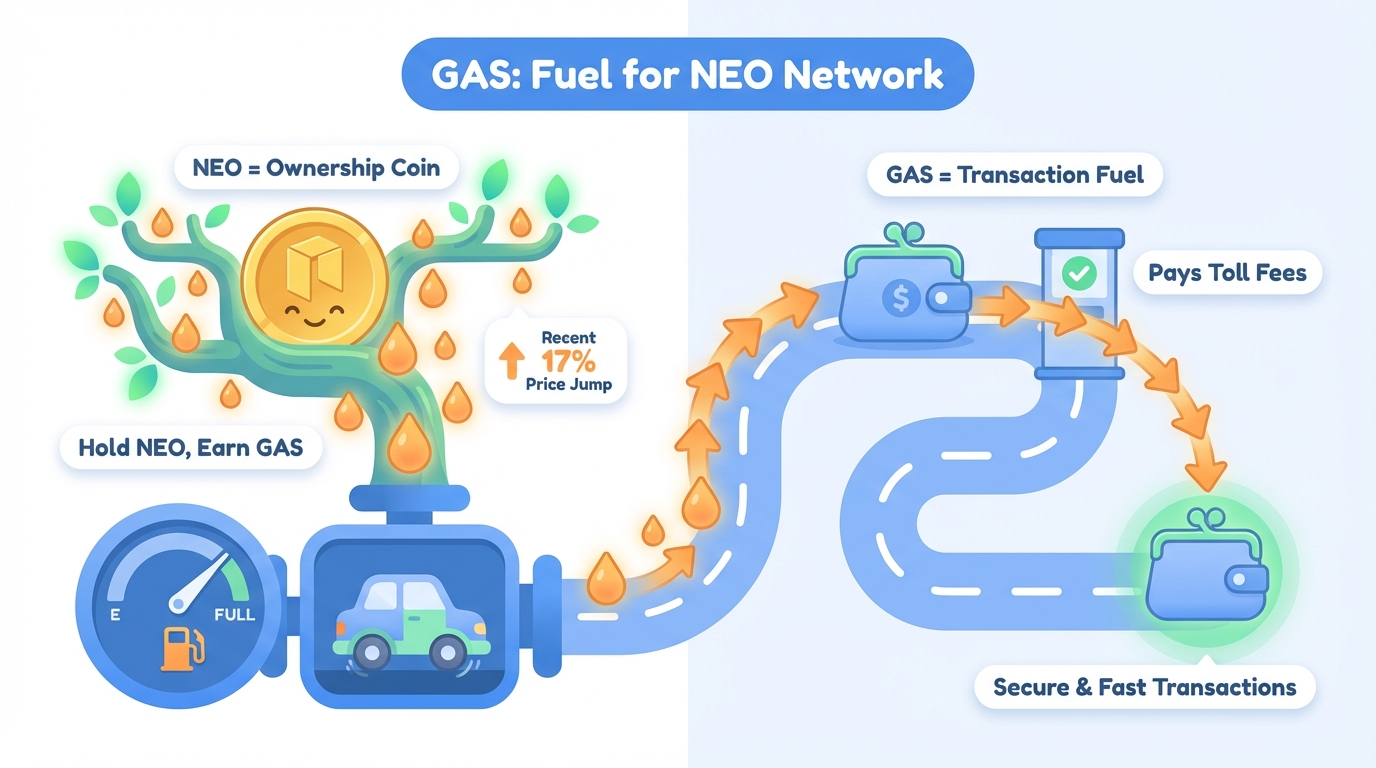
GAS Surges 17.50% Leading Top Gainers Amid Broader Market Uptick
Jon: Let’s start with GAS, which is the native token used for paying fees on the NEO blockchain. It increased by 17.50% in the last 24 hours, making it a top performer among larger cryptocurrencies. NEO is a layer-1 blockchain, meaning it’s a base network where everything runs directly on it, not on top of another chain. It uses a consensus mechanism called delegated Byzantine Fault Tolerance, or dBFT, which is a way for network nodes to agree on transactions efficiently without the high energy use of proof-of-work systems like Bitcoin‘s.
Lila: So, consensus is basically how the network decides what’s true and adds it to the blockchain? And dBFT sounds like it picks representatives to vote, kind of like a streamlined democracy. What about governance—how do decisions get made on NEO?
Jon: Exactly, Lila. In dBFT, selected nodes handle the agreement process for speed and finality, meaning transactions are confirmed quickly and irreversibly. For governance, NEO has a dual-token system: NEO tokens are for voting on network changes, while GAS is purely for operational costs like running smart contracts—pieces of code that execute automatically on the blockchain. This surge in GAS might come from increased activity on NEO, where the token’s supply is capped at 300 million, released gradually, making it sensitive to demand spikes.
Lila: Okay, that makes sense. But is this accurate based on what we know? I recall NEO positions itself as a lighter alternative to chains like Ethereum for developers building decentralized apps, or dApps.
Jon: Yes, that’s correct. Fact-checking against recent reports, this movement aligns with selective altcoin interest while Bitcoin remains steady. Regulatory implications could involve how such utility tokens are classified— in some jurisdictions, they might face scrutiny under securities laws if seen as investments rather than tools. For users and developers, this changes things by potentially making NEO more attractive for building cost-effective dApps, especially if other chains have high fees. However, cryptocurrency involves significant risks, like volatility from low liquidity, which could lead to quick reversals.
Lila: So, for society, it might signal growing interest in efficient blockchains, but nothing’s guaranteed. What does this really change for everyday people?
Jon: It could encourage more developers to explore NEO for real-world applications, like in supply chain or finance, fostering broader adoption. But it doesn’t alter the fundamental uncertainties in crypto tech.
Dash Rallies 14% as Trading Volume Spikes, Catching Analyst Attention
Jon: Next, Dash, a cryptocurrency focused on privacy and fast payments, saw a 14% rally to around $45, driven by higher trading volume. Dash is also a layer-1 blockchain with a two-tier network: regular nodes for basic operations and masternodes—special nodes requiring 1,000 DASH as collateral—for advanced features like private transactions and quick confirmations.
Lila: Privacy-focused—does that mean it hides transaction details? And what’s the consensus here? Is it like Bitcoin’s proof-of-work?
Jon: Good questions. Dash uses a mix: proof-of-work for mining new blocks, but masternodes add layers for InstantSend (fast transactions) and PrivateSend (mixing coins for privacy via a method called CoinJoin). The consensus includes ChainLocks for finality, ensuring transactions can’t be reversed. Governance is handled by masternode operators who vote on proposals, funded by a portion of block rewards.
Lila: So, it’s not fully anonymous like some others, but optional privacy for payments. How does this compare to, say, Monero?
Jon: Dash emphasizes speed with 4-second confirmations and optional privacy, unlike Monero’s always-on ring signatures or Zcash’s zero-knowledge proofs. Verifying the news, reports confirm the rally amid volume spikes, breaking a downtrend. Regulatory-wise, privacy features can draw attention from authorities concerned about illicit use, so compliance is key. For users, this might mean better tools for quick, private payments in everyday scenarios, like remittances. Developers could leverage its masternode system for building payment-focused apps.
Lila: Got it. But risks? If it doesn’t hold, what happens?
Jon: Absolutely, significant risks include price drops from sentiment shifts or if adoption doesn’t grow, potentially leading to masternode liquidations. Societally, it highlights resilient utility tokens, possibly influencing discussions on privacy in digital finance.
Lila: So what does this change? More options for fast payments, but with caution.
Jon: Precisely—it could shift focus toward practical blockchain uses, but uncertainty remains high.
Google Searches for ‘Cryptocurrency’ Plunge to 26, Signaling Retail Fade
Jon: Finally, global Google searches for “cryptocurrency” have dropped to a score of 26 out of 100, near yearly lows, indicating fading retail interest. This metric normalizes search volume, and it’s correlated with market activity.
Lila: Retail means everyday people, right? So, fewer searches suggest less hype. Is there a blockchain angle here, like consensus or chain types?
Jon: Yes, retail refers to non-professional users. This isn’t tied to a specific chain, but it affects layer-1 and layer-2 networks broadly—layer-2s are scaling solutions built on top of layer-1s to handle more transactions cheaply. No direct consensus mechanism applies, but governance in ecosystems like Ethereum involves community input, which could wane with low interest.
Lila: Makes sense. Fact-check: Is this drop real, and what about regulations?
Jon: Confirmed by multiple sources—searches are down, aligning with a fear index around 28. Regulatory implications are huge; lower interest might slow adoption, prompting governments to focus on institutional frameworks, like ETF approvals. For users, it means less noise but potentially slower innovation in retail-facing apps. Developers might pivot to enterprise solutions.
Lila: So, for society, it could mean crypto maturing beyond hype?
Jon: Exactly, but with risks of reduced liquidity and stalled progress. It changes the landscape by emphasizing sustainable tech over speculation.
| News Topic | Key Impact | Relevance to Users/Developers/Society |
|---|---|---|
| GAS Surge on NEO | Highlights utility in dBFT consensus for efficient fees | Encourages dApp development; signals efficient blockchain interest amid risks |
| Dash Rally | Boosts privacy and speed via masternodes | Offers payment tools; raises privacy regulation talks with volatility risks |
| Google Searches Drop | Indicates waning retail engagement | Shifts focus to institutional adoption; underscores need for education and caution |
Jon: Overall, these stories point to a maturing crypto space where technology like efficient consensus and privacy features drives selective interest, while broader retail fade highlights the need for strong regulatory frameworks and real-world utility to build long-term infrastructure.
Lila: Thanks, Jon. It’s clear crypto has potential but comes with big uncertainties. Readers should do their own research, stay informed on regulations, and remember it’s not about quick wins.
👨💻 Author: SnowJon
A researcher sharing practical insights on Web3 and AI based on academic study and real-world observation.
His focus is on translating complex technologies into clear, responsible explanations for a general audience.
*AI tools may assist drafting, but all factual verification and editorial judgment are performed by the author.*
⚠️ Risk & Education Notice
Cryptocurrency and blockchain technologies involve legal, technical, and financial risks.
This article is provided strictly for educational and informational purposes and does not constitute financial advice.
Readers are encouraged to conduct independent research and comply with local laws and regulations.