
Wondering about crypto‘s next move? Get 2025 insights on DeFi, NFTs, regulatory wins, and essential risk management strategies.#CryptoTrends #BlockchainNews #DeFiInsights
Quick Video Breakdown: This Blog Article
This video clearly explains this blog article.
Even if you don’t have time to read the text, you can quickly grasp the key points through this video. Please check it out!
If you find this video helpful, please follow the YouTube channel “BlockChainBulletin,” which delivers daily Crypto news.
https://www.youtube.com/@BlockChainBulletins
Read this article in your native language (10+ supported) 👉
[Read in your language]
Understanding the Evolving World of Crypto and Blockchain: Insights from December 22, 2025
In today’s fast-paced digital landscape, cryptocurrency and blockchain technology are more than just buzzwords—they’re shaping the future of finance, data security, and even everyday transactions. From regulatory wins that could pave the way for broader adoption to innovations in decentralized finance (DeFi, which is like banking without traditional banks, using smart contracts on blockchain), these developments matter because they influence how societies build trust in digital systems, protect user data, and create inclusive economic tools. Today’s news highlights shifts in regulation, market strategies, and technological outlooks, reminding us that while blockchain offers real-world utility like faster cross-border payments or transparent supply chains, it’s crucial to approach it with caution due to its inherent risks, including volatility and regulatory uncertainties.
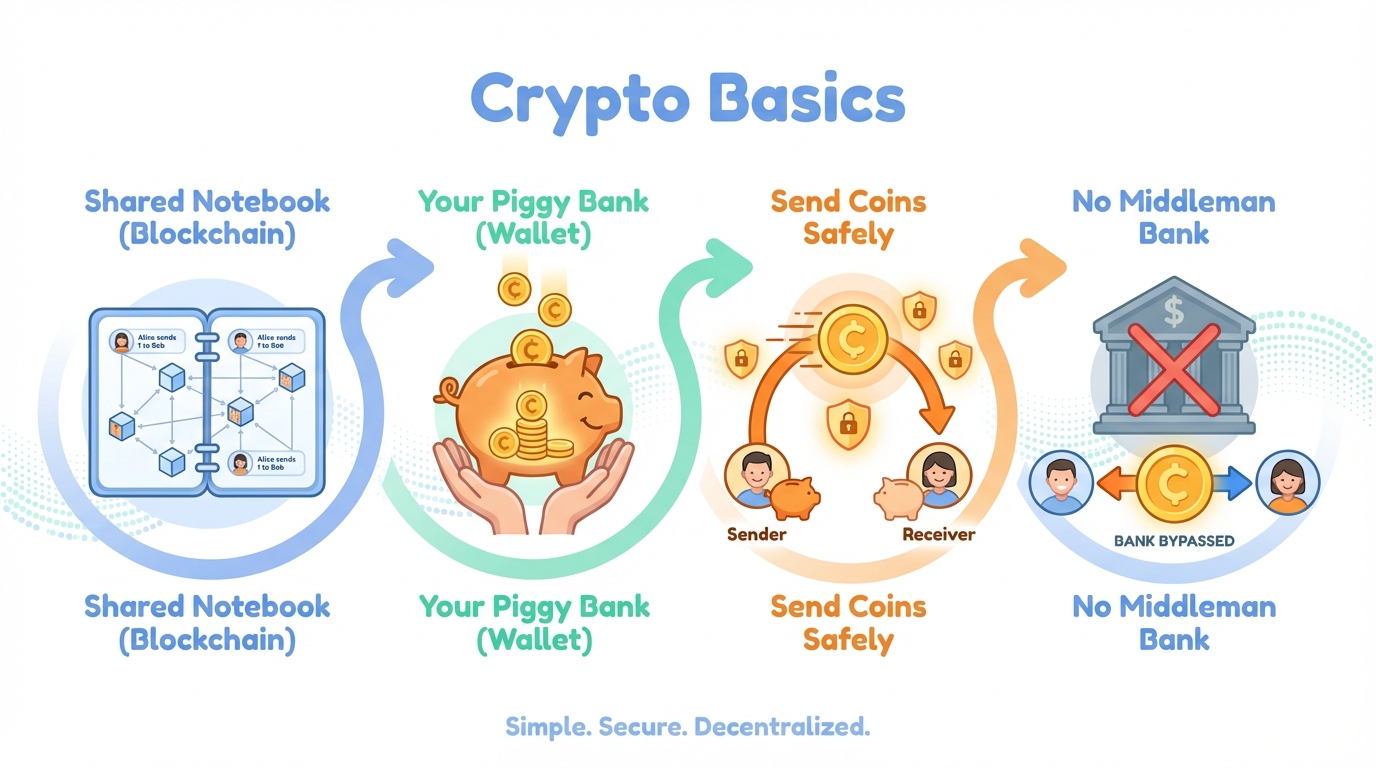
Sector Rotation in Crypto: NFTs, RWAs, and DeFi on the Rise
Jon: Hey Lila, have you seen the latest on crypto sector rotation? According to recent updates from CryptoNews.com, there’s a shift where non-fungible tokens (NFTs)—those unique digital collectibles on the blockchain—are gaining traction, while real-world assets (RWAs, like tokenizing physical things such as real estate for easier trading) and DeFi are extending their growth. It’s not about prices jumping wildly, but about how these areas are attracting more interest for their practical uses.
Lila: Absolutely, Jon. For beginners, think of sector rotation like investors moving focus from one part of the stock market to another, but in crypto. NFTs aren’t just art; they can represent ownership in games or music rights. RWAs bridge the gap between traditional assets and blockchain, making things like property investment more accessible without middlemen. DeFi lets people lend or borrow directly via code-based agreements. Fact-checking this, it’s consistent with blockchain’s core tech—using distributed ledgers for transparency. But remember, crypto involves significant risks like hacks or regulatory changes.
Jon: Right, and what does this change for users or society? It could mean more real-world utility, like using DeFi for affordable loans in underserved areas or RWAs for fractional ownership of assets. Society benefits from democratized access, but we must stress independent research—crypto isn’t a get-rich scheme.
So what does this change for users or society? It promotes innovation in how we handle assets digitally, potentially reducing costs in traditional finance, but users should be aware of volatility and security risks.
US Crypto Industry Celebrates 2025 Wins but Eyes Challenges Ahead
Jon: Lila, Reuters reports that the US crypto industry is cheering major legislative and regulatory victories in 2025, especially after events tied to political shifts. But there’s caution that the momentum might slow in 2026. This isn’t hype; it’s about real policy changes enabling safer integration of blockchain into everyday finance.
Lila: Spot on. For newcomers, regulation in crypto is like setting rules for a new playground to keep it safe. Fact-checking against known trends, 2025 saw approvals for things like Bitcoin ETFs (exchange-traded funds that track crypto without direct ownership), which aligns with broader adoption. Governance here involves bodies like the SEC overseeing to prevent fraud. It’s exciting because clearer rules could encourage more businesses to adopt blockchain for things like supply chain tracking.
Jon: Exactly. For users, this means potentially more secure platforms and less fear of sudden bans. Society-wise, it could foster innovation in areas like decentralized identity, where you control your own data. But let’s be clear: cryptocurrency involves significant risks, including market fluctuations and evolving laws.
So what does this change for users or society? It paves the way for mainstream adoption, making blockchain a tool for economic inclusion, with ongoing regulatory scrutiny to watch.
Market Diversification to Manage Crypto Risks
Jon: There’s talk from CNBC about the crypto market diversifying to lower investment risks, applying portfolio ideas to assets like Bitcoin. This is key because blockchain isn’t just one thing—it’s a tech ecosystem.
Lila: Yes, diversification is like not putting all your eggs in one basket. In crypto, it means spreading across different blockchains or uses, such as Ethereum for smart contracts (self-executing code) or Layer 2 solutions (add-ons that make transactions faster and cheaper on top of main chains). Fact-checking, this matches real trends where volatility is high, but tech like proof-of-stake (a energy-efficient way to validate transactions) helps stability.
Jon: For society, this could lead to more resilient digital economies. Users might see better tools for everyday finance, but always remember the risks—no guarantees in this space.
So what does this change for users or society? It encourages smarter engagement with blockchain, focusing on utility over speculation, highlighting risk management strategies.
Bitcoin’s Four-Year Cycle and Long-Term Outlook
Jon: CoinDesk mentions Bitcoin’s four-year cycle playing out as expected, with analysts like Fidelity’s Jurrien Timmer noting a potentially lame 2026 but optimism longer-term. This cycle ties to halvings, where mining rewards halve every four years, affecting supply.
Lila: Great analogy: It’s like a clockwork mechanism in Bitcoin’s code. Fact-checking, Bitcoin uses proof-of-work (miners solving puzzles to add blocks), and halvings are built-in for scarcity. For beginners, this isn’t about predicting prices but understanding the tech’s design for longevity.
Jon: Changes for users? It underscores blockchain’s programmed economics, which could inspire stable systems in other areas like voting or charity tracking. Society benefits from predictable tech, but risks remain high.
So what does this change for users or society? It highlights blockchain’s engineered predictability, with cycles influencing adoption.
Crypto Investors Shift to Cautious Strategies Post-Crash
Jon: Reuters notes investors are more cautious after a market bust, shifting to risk-managing strategies. This reflects maturity in the space.
Lila: True—post-crash, it’s about learning. Explains terms: A crash is a sharp drop, often due to over-speculation. Fact-checking, this aligns with historical patterns where regulations tighten post-events. For users, it means better tools like decentralized exchanges (DEXs) with built-in safeguards.
Jon: Societally, it pushes for ethical tech development. Users should focus on education.
So what does this change for users or society? It fosters responsible innovation, emphasizing risk awareness.
Bitcoin ETFs See Massive Inflows Despite Challenges
Jon: CoinDesk reports BlackRock’s Bitcoin ETF hit $25 billion in inflows in 2025, even with negative returns at times. This shows institutional interest.
Lila: ETFs make crypto accessible without direct holding. Fact-checking, this is regulated under traditional finance rules, using custody solutions for security. It’s a step toward blending blockchain with legacy systems.
Jon: For users, easier entry points; for society, more inclusive finance, but with risks.
So what does this change for users or society? It bridges traditional and decentralized finance, with regulatory oversight.
| News Story | Key Focus | Implications for Users/Society | Risk Highlight |
|---|---|---|---|
| Sector Rotation: NFTs, RWAs, DeFi | Shifts in interest toward practical blockchain uses | More accessible digital assets and finance | Volatility and security |
| US Industry Wins in 2025 | Regulatory and legislative progress | Safer adoption pathways | Potential policy shifts |
| Market Diversification | Strategies to manage risks | Resilient digital economies | Inherent market fluctuations |
| Bitcoin’s Cycle | Programmed economic patterns | Predictable tech for long-term use | Cycle-driven uncertainties |
| Post-Crash Caution | Shift to risk management | Ethical tech development | Historical volatility |
| Bitcoin ETFs Inflows | Institutional integration | Bridging traditional finance | Performance variability |
In summary, today’s crypto news underscores the maturation of blockchain technology, from regulatory advancements to strategic shifts that prioritize utility and risk management. Key takeaways include the growing role of DeFi and RWAs in real-world applications, the impact of cycles on Bitcoin’s design, and the importance of diversification. Remember, these developments highlight potential for societal benefits like financial inclusion, but cryptocurrency involves significant risks such as market volatility, technical failures, and legal changes. Encourage learning through reliable sources, practice caution, and always do your own research (DYOR) before engaging with any blockchain projects.
👨💻 Author: SnowJon
A researcher sharing practical insights on Web3 and AI based on academic study and real-world observation.
His focus is on translating complex technologies into clear, responsible explanations for a general audience.
*AI tools may assist drafting, but all factual verification and editorial judgment are performed by the author.*
⚠️ Risk & Education Notice
Cryptocurrency and blockchain technologies involve legal, technical, and financial risks.
This article is provided strictly for educational and informational purposes and does not constitute financial advice.
Readers are encouraged to conduct independent research and comply with local laws and regulations.